
 See Our Latest Article on HelloNation

Can Jaw Pain Be Related to the Spine?
Jaw pain, especially around the temporomandibular joint (TMJ), sometimes surprises residents with symptoms that seem disconnected—like neck aches or upper back stiffness. The connection comes from how the jaw and the spine communicate through muscles, nerves, and posture. A misaligned jaw can influence how the body holds the head and neck, leading to tension or discomfort along the spine.
What Is the TMJ and How Does It Affect the Body?
The TMJ is the hinge joint connecting the jawbone to the skull, just in front of each ear. It’s responsible for chewing, talking, and even yawning. This joint works closely with nearby muscles in the face, head, and neck. Because these muscles also connect to parts of the upper spine, problems with the jaw can trigger muscle tension that radiates downward.
Why Might Jaw Issues Lead to Neck and Back Symptoms?
The jaw and the spine are closely linked by shared muscle groups and nerve pathways. If the jaw is overworked or misaligned, muscles under the jaw and along the neck may tighten to compensate. This can:
- Change the natural position of the head and neck
- Cause neck and shoulder muscles to become overactive
- Lead to stiffness, soreness, or even headaches
People in Parma, NY who spend long hours working from home, bending over gardens, or shoveling in winter may notice that clenching or grinding the teeth sometimes goes hand-in-hand with back or neck tension. Poor posture—whether at a home office desk or while looking down at a phone—can also increase the strain.
Could Poor Posture Make TMJ Problems Worse?
Slouching or hunching impacts both spinal health and jaw comfort. When the head juts forward (as it often does while sitting at computers or watching TV), the jaw and surrounding muscles have to work harder to keep the mouth closed and the head upright. Over time, this can:
- Exacerbate TMJ pain
- Contribute to muscle fatigue in both the jaw and the spine
- Potentially create a cycle where each area’s discomfort worsens the other
Households in Parma, especially those with long winters and more time spent indoors, may be at greater risk of developing these interconnected aches if they are inactive or routinely using poor posture.
What Are Common Signs That Jaw and Spine Pain Are Connected?
Some residents may not immediately realize that their jaw and spine troubles are linked. Overlapping symptoms might include:
- Persistent neck or upper back discomfort that doesn’t improve with basic stretching
- Frequent jaw clicking, popping, or locking
- Headaches originating near the temples and spreading to the back of the head or neck
- Fatigue or soreness when chewing tough foods
It’s easy to assume that these aches are separate issues, but shared muscle tension and nerve connections often indicate a relationship between the jaw and the spine.
What Everyday Habits in Parma Might Contribute?
Several factors in daily living can add to the mix:
- Long periods sitting at a desk without ergonomic support
- Cold snaps that cause people to clench their jaws or hunch their shoulders while outside
- Heavy yard work or snow shoveling done with improper body mechanics
- Stressful commutes or routines that lead to teeth grinding (bruxism) during sleep or while awake
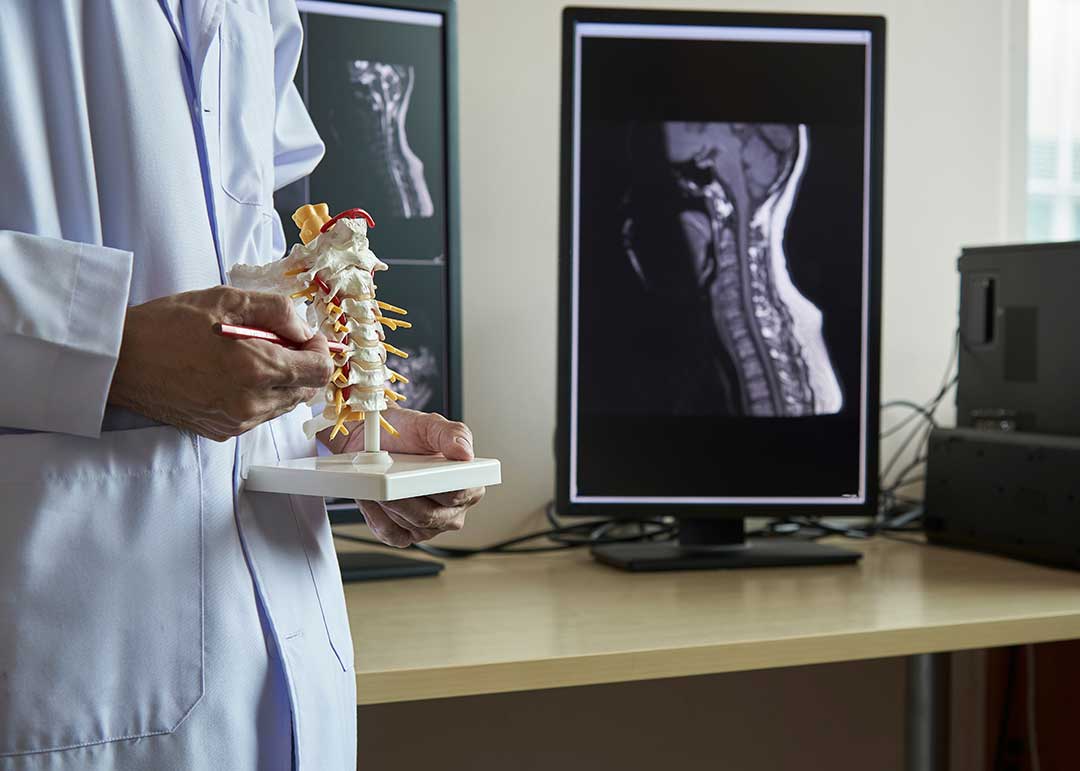
Area residents who notice jaw pain along with neck or upper back stiffness may benefit from reviewing how their daily habits influence posture and muscle use.
Are There Ways to Help Relieve Both Jaw and Spinal Discomfort at Home?
Simple steps can offer relief and help break the cycle between jaw and spinal discomfort:
- Use supportive pillows for both sleep and sitting—especially during long indoor seasons
- Take regular breaks to stretch the neck, shoulders, and jaw during desk work
- Practice gentle jaw relaxation techniques, like placing the tongue on the roof of the mouth and relaxing the jaw muscles
- Apply warm (not hot) compresses to tense jaw or neck muscles to encourage relaxation
Residents with more persistent or severe symptoms should consider seeking guidance if everyday changes don’t bring improvement, especially if the discomfort interferes with eating, talking, or sleeping.
What Misconceptions Do Residents Often Have About This Connection?
Some believe jaw and spine issues must be treated separately, but often muscle tension or nerve pathways link them together. Others may assume only major injuries cause TMJ problems, overlooking gradual strain from habits, posture, or stress.
Another common misconception is that only adults develop these issues. Young people—from teens using digital devices to athletes playing contact sports—can also experience jaw-spine connections if posture or repeated movements create muscle imbalances.
Why Do Local Climate and Lifestyle Factors Matter?
In Parma, climate and lifestyle conditions shape musculoskeletal health. Cold, damp months can lead to more muscle tension, jaw clenching, and time spent in sedentary positions. Community sports, gardening, and seasonal chores also carry risks if done with awkward posture or without stretching.
Awareness of how local routines, weather, and daily movements affect jaw and spine connection can help residents make small adjustments for better comfort.
