
 See Our Latest Article on HelloNation

Growing older does not automatically mean living with constant back, neck, or joint pain. For some older adults in Parma, NY, chiropractic care may be one part of a broader plan for managing musculoskeletal discomfort, staying active, and maintaining daily function. Its usefulness depends on the cause of the problem, overall health, medications, bone strength, and the type of care provided.
Chiropractic care should not be viewed as a cure-all or a replacement for medical evaluation. The most appropriate approach is usually conservative, individualized, and coordinated with other health care when needed.
What benefits may chiropractic care offer seniors?
Chiropractic care may provide modest improvements in pain and physical function, particularly for some types of low-back or neck pain. Research summarized by the National Center for Complementary and Integrative Health indicates that spinal manipulation can produce small improvements in pain and function for acute or chronic low-back pain, although the quality of evidence is not high and results vary among individuals. ([nccih.nih.gov](https://www.nccih.nih.gov/health/spinal-manipulation-what-you-need-to-know?utm_source=openai))
Potential benefits may include:
- Less stiffness after sitting, sleeping, or riding in a vehicle
- Improved comfort during walking, standing, or household activities
- Better tolerance for gentle exercise
- Guidance on posture, body mechanics, and movement habits
- A non-drug option that may complement other pain-management strategies
The goal should be improved function—not simply repeated treatment. For an older adult, being able to walk to the mailbox, prepare a meal, garden safely, or rise from a chair may be more meaningful than a change on a pain scale.
Can chiropractic care help with balance or fall prevention?
Chiropractic treatment alone should not be considered a proven fall-prevention program. Balance problems can result from medications, vision changes, inner-ear disorders, low blood pressure, diabetes, neurological conditions, or other health issues that require medical assessment. ([nia.nih.gov](https://www.nia.nih.gov/health/falls-and-falls-prevention/older-adults-and-balance-problems?utm_source=openai))
However, reducing pain and improving mobility may make it easier for some people to participate in strength and balance activities. Those activities are central to fall prevention. The National Institute on Aging recommends combining aerobic activity, muscle strengthening, flexibility, and balance exercises as appropriate for an older adult’s abilities. ([nia.nih.gov](https://www.nia.nih.gov/health/four-types-exercise-can-improve-your-health-and-physical-ability?utm_source=openai))
A broader fall-risk plan may include:
- Reviewing medications that cause dizziness or drowsiness
- Checking vision regularly
- Improving leg strength and balance
- Using a cane or walker correctly when needed
- Removing loose rugs and clutter
- Adding brighter lighting and secure handrails
- Addressing icy walkways, uneven steps, and wet entry areas during Parma’s winter months
A sudden increase in dizziness, unsteadiness, faintness, or falls should be evaluated by a medical provider rather than attributed to ordinary aging.
What types of chiropractic care may be more appropriate for older adults?
Treatment should be adapted to the individual. A senior with osteoporosis, a history of fractures, spinal surgery, blood-thinning medication use, or significant arthritis may require a different approach from a healthy, active older adult.
Care may include techniques such as:
- Gentle joint mobilization rather than forceful thrusts
- Soft-tissue work
- Stretching within a comfortable range
- Instruction in walking, lifting, sitting, and standing mechanics
- Home exercises focused on mobility and strength
- Advice about pacing activities and avoiding prolonged bed rest
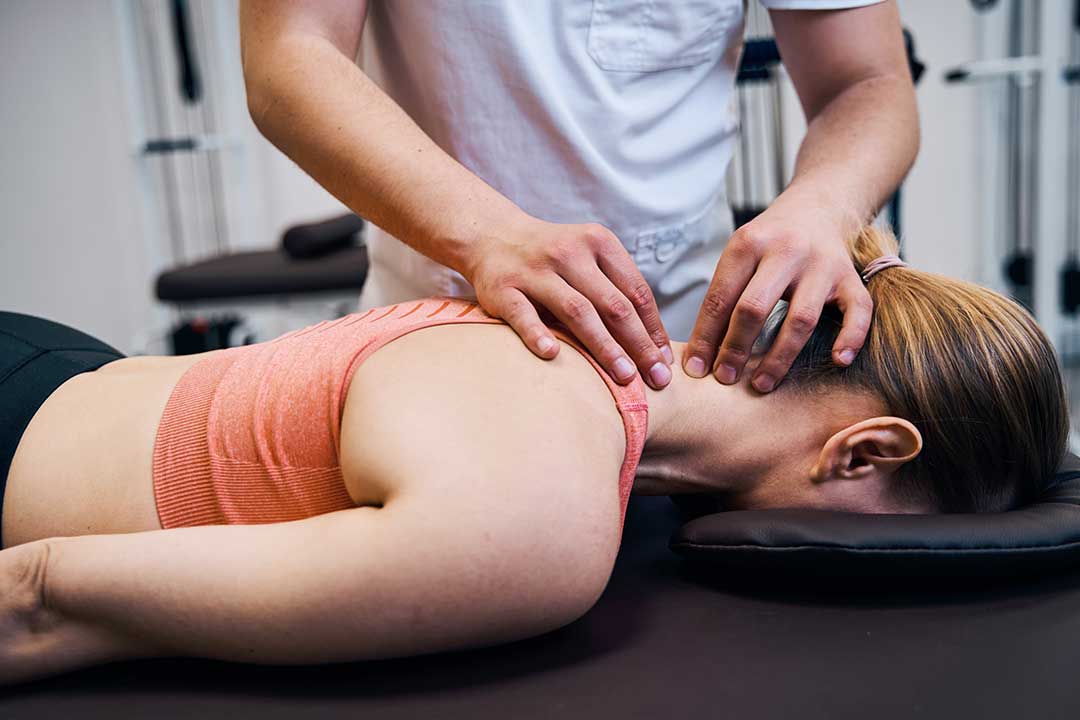
Spinal manipulation involves a controlled thrust to a joint, while mobilization uses slower movement within the joint’s natural range. These are not identical techniques, and an older adult can ask which method is being considered and why. ([nccih.nih.gov](https://www.nccih.nih.gov/health/spinal-manipulation-what-you-need-to-know?utm_source=openai))
A treatment plan should account for the person’s goals, symptoms, medical history, current medications, and response after each visit. More force is not necessarily more effective.
Is chiropractic treatment safe for seniors?
Many older adults tolerate appropriately selected manual care well, but age-related changes can increase the need for caution. Temporary soreness, stiffness, headache, or increased discomfort may occur after spinal manipulation or mobilization and commonly resolve within about 24 hours. Serious complications are rare, but they have been reported. Underlying health conditions may increase risk. ([nccih.nih.gov](https://www.nccih.nih.gov/health/spinal-manipulation-what-you-need-to-know?utm_source=openai))
Before treatment, the practitioner should know about:
- Osteoporosis or osteopenia
- Previous fractures or spinal surgery
- Cancer, infection, or unexplained weight loss
- Rheumatoid arthritis or severe inflammatory disease
- Blood-thinning medication
- Recent falls or trauma
- Numbness, weakness, or changes in bowel or bladder control
- Dizziness, fainting, or known vascular problems
Neck manipulation deserves particular discussion because rare reports have involved neck artery injury and stroke. The evidence about whether manipulation directly causes these events is uncertain, but the potential risk should not be dismissed. Older adults can ask whether gentler, non-thrust techniques are reasonable alternatives. ([nccih.nih.gov](https://www.nccih.nih.gov/health/spinal-manipulation-what-you-need-to-know?utm_source=openai))
When should an older adult seek medical evaluation first?
Some symptoms should be assessed promptly before any routine musculoskeletal treatment. These include new weakness, loss of coordination, severe or sudden headache, chest pain, unexplained fever, sudden confusion, progressive numbness, or pain following a significant fall.
A fall should also be reported even if it did not cause immediate pain. Older adults may initially feel well and later develop symptoms from a fracture or other injury. The National Institute on Aging advises telling a doctor about falls and developing an exercise plan suited to the person’s health and abilities. ([nia.nih.gov](https://www.nia.nih.gov/health/falls-and-falls-prevention/falls-and-fractures-older-adults-causes-and-prevention?source=pmbug.com&utm_source=openai))
For suspected stroke—such as facial drooping, arm weakness, speech difficulty, or sudden trouble walking—emergency medical help is needed rather than manual treatment.
How can chiropractic care fit into healthy aging?
The strongest role for chiropractic care is often supportive: helping an older adult manage selected muscle and joint symptoms while remaining active and engaged in everyday life. It works best when paired with sensible movement, adequate sleep, nutrition, medication review, vision care, and attention to home safety.
For residents in Parma, seasonal routines also matter. Snow, ice, wet footwear, and darker winter conditions can change walking mechanics and increase fall hazards around steps, driveways, and entrances. Maintaining clear pathways, using stable footwear, and allowing extra time on slippery surfaces may be as important to mobility as any hands-on treatment.
The practical question is not whether every senior should receive chiropractic care. It is whether a specific person has a problem that may respond to conservative care, whether the proposed technique is appropriate for that person’s health, and whether progress can be measured by safer, more comfortable daily activity.
